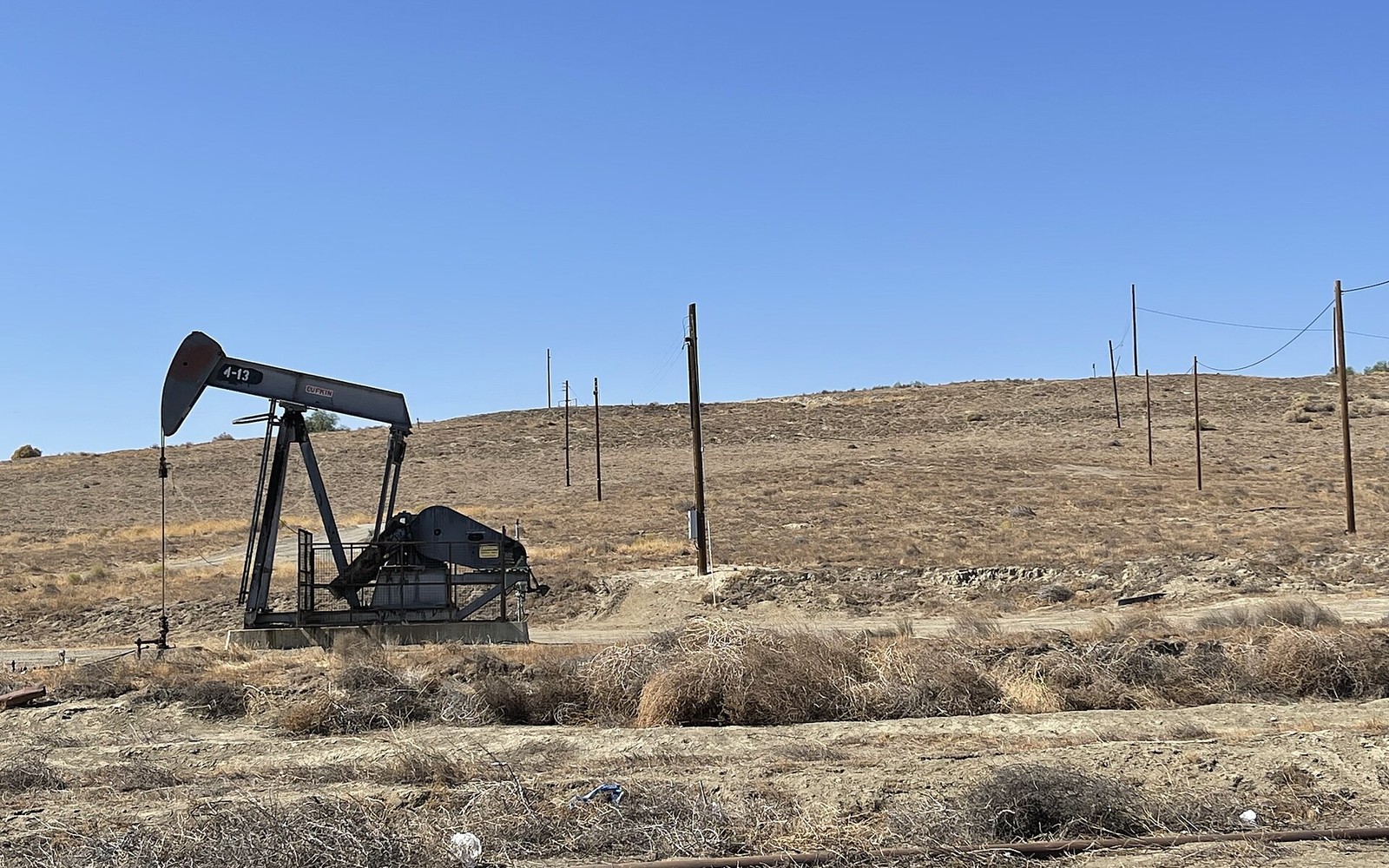
Most title confusion we see starts with a landowner who assumed buying the surface meant buying everything beneath it, and a deed that says otherwise.
In most oil and gas producing states, surface and mineral rights can be, and frequently are, severed into two separate estates that pass through separate chains of ownership from that point forward. A family that has farmed a tract for generations may own only the surface, having sold or never held the minerals beneath it, while someone with no connection to the land at all may hold the mineral estate through an entirely separate line of deeds. This is called a split estate, and it's the rule rather than the exception across a lot of long-settled oil and gas country.
Confirming which estate, or both, a given owner actually holds is the first step in any valuation, because the two are worth entirely different things and get documented through entirely different records.
A mineral severance typically happens through an explicit reservation clause in a deed, a prior owner conveying the surface while keeping the minerals, or the reverse. Once severed, the two estates travel independently through inheritance, sale, and gift, and after two or three generations it's entirely possible for a surface owner to have no idea the minerals beneath their land left the family decades earlier, or that they personally still hold minerals under land they no longer own the surface of.
This is why the current deed alone often isn't enough. Confirming mineral ownership requires tracing back to the severance itself and following the mineral chain forward independently of whatever happened to the surface.
A surface estate is valued using standard real estate methods, comparable land sales, improvements, agricultural or development use, none of which this site addresses. A mineral estate is valued on production and prospectivity as covered throughout this site, entirely independent of the surface's market value. A tract of unremarkable farmland can sit above minerals worth many times the surface value, and the reverse is just as common where the minerals were exhausted decades ago and only the surface still carries meaningful value.
Owners evaluating an offer that bundles both, uncommon but not unheard of, should insist on seeing the two values broken out separately rather than accepting one combined figure.
In most split-estate states, the mineral estate is legally dominant, meaning the mineral owner or their lessee generally has the right to reasonable use of the surface to access and develop the minerals, subject to state-specific accommodation doctrine or surface use agreement requirements. A surface owner in this position, holding land above minerals they don't own, is a common and specific situation, and understanding it correctly is separate from, and shouldn't be confused with, valuing a mineral interest itself.
For estate, IRS, or divorce purposes, the file needs to establish clearly which estate, surface, minerals, or both, the decedent or party actually held, since the two are valued through entirely different methods and an examiner will expect the distinction to be explicit rather than assumed from the family's general understanding of what they own. Tracing the severance instrument itself, in addition to the current deed, is the step that most often gets skipped, particularly where a family has held the surface for generations and never had reason to question whether the minerals came with it.
Where a family holds only the mineral estate and has no surface rights, that fact belongs in the file too, since it affects whether any surface use or damage payments are even relevant to what is being valued, and prevents a reviewer from assuming a bundled surface-and-mineral value where none exists.
Resolve these questions so the appraisal conclusion can be traced to a defined interest, date, method, and evidence set.
The county recorder or clerk's deed records will show any reservation or conveyance of minerals, which requires tracing the chain of title back through prior owners rather than relying on the current surface deed alone.
Not necessarily. Royalty payments go to whoever owns the mineral estate under the specific tract being produced, which may or may not be the same person who owns the surface.
Sometimes, if the current mineral owner is willing to sell, though there's no automatic right for a surface owner to reclaim severed minerals just by owning the surface.
In most split-estate states the mineral estate holds the right to reasonable surface access for development, though the specific accommodation required varies by state and sometimes by existing surface use agreement.
Surface and mineral estates are valued through entirely different methods, so an examiner reviewing an estate or divorce filing needs the ownership split established clearly, traced back to the severance instrument, rather than assumed from general family understanding.
Carry the same effective date, interest definition, evidence hierarchy, and limitations into these related appraisal procedures.
Mineral rights carry ownership of oil, gas, and minerals below the surface plus the executive right to lease them. Here is how that full bundle gets valued.