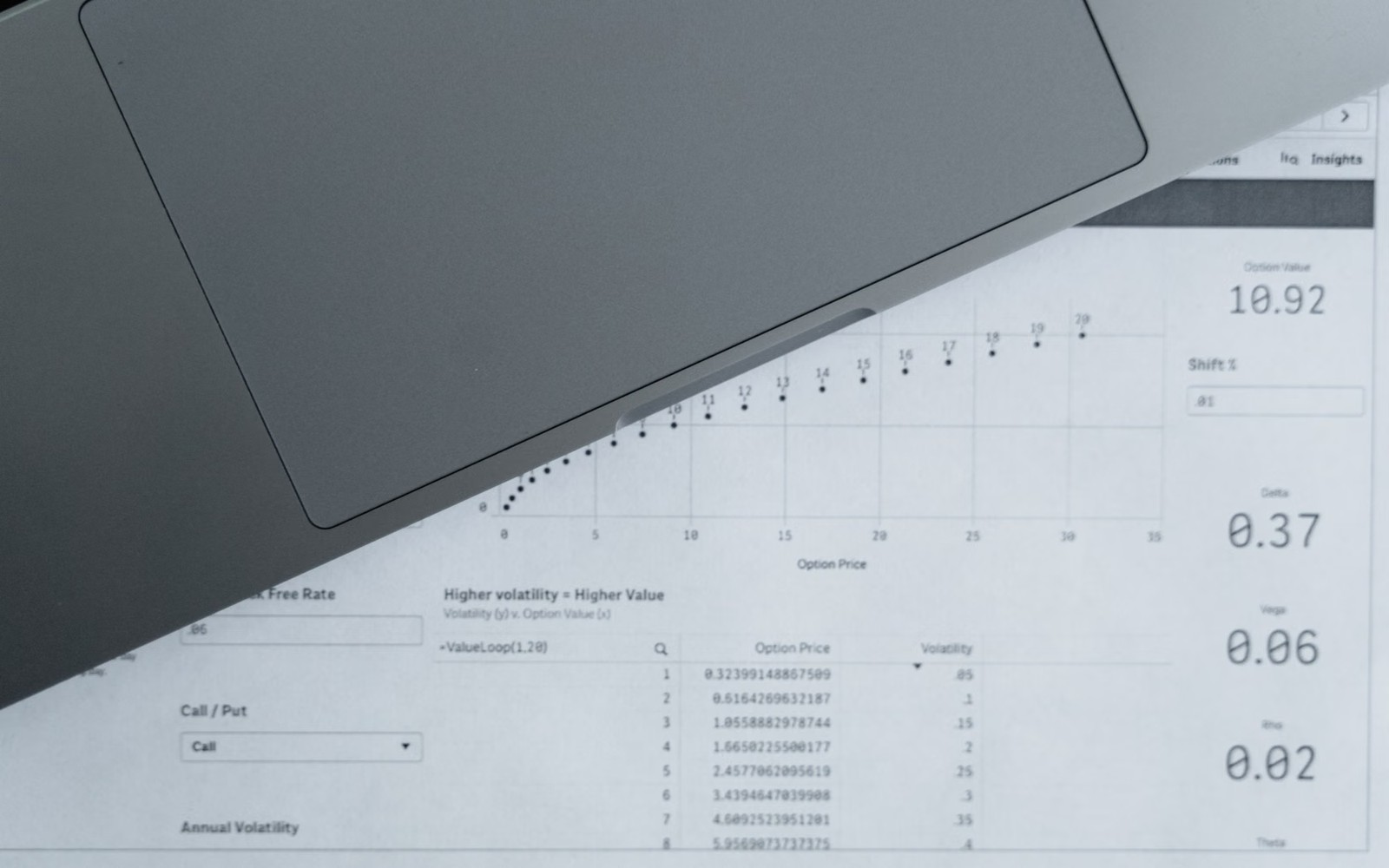
Estate, basis, divorce, trust, sale, and family-allocation questions can use the same property records while requiring different effective dates and conclusions.
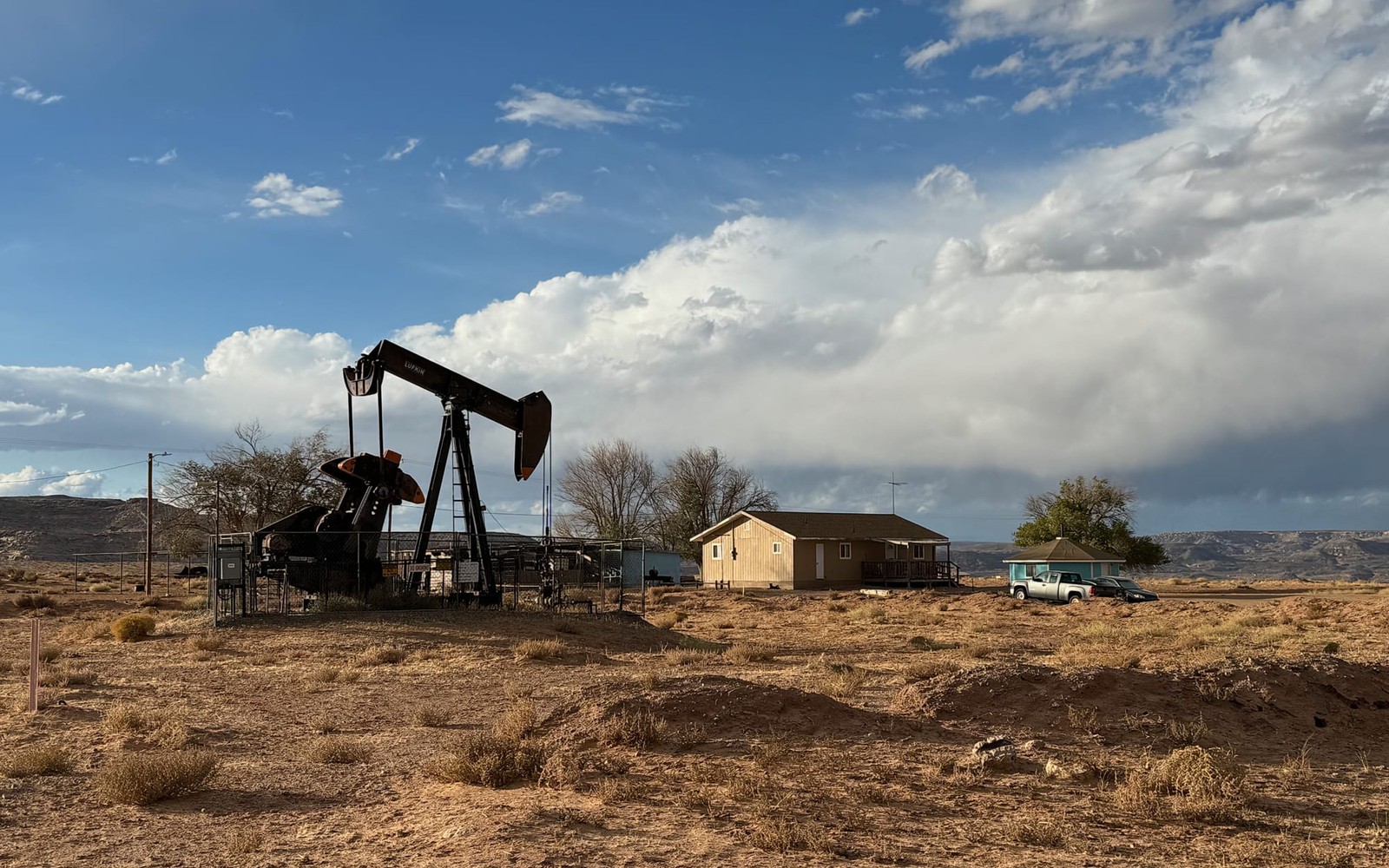
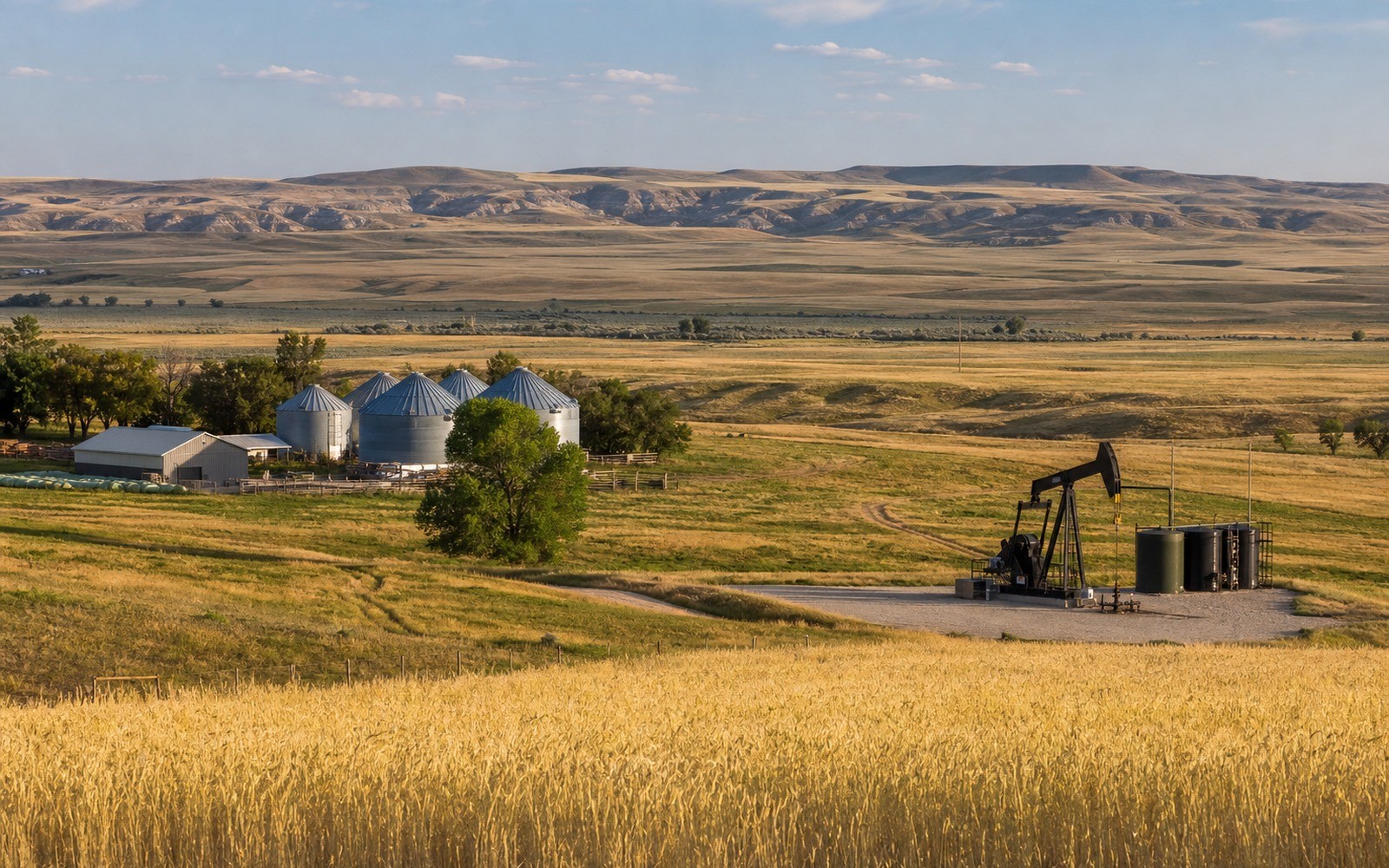
View All Appraisal SituationsMarcellus, Utica, conventional Appalachian, Permian, Bakken, and other producing regions carry different product mixes, decline behavior, development timing, basis exposure, and market evidence. The appraisal docket keeps that context beside the tract, lease, unit, wells, and recorded interest.
Explore Producing Basins
Mineral rights carry ownership of oil, gas, and minerals below the surface plus the executive right to lease them. Here is how that full bundle gets valued.

A royalty interest pays without any leasing costs or executive rights attached. Here is how a pure production-income stream gets read and appraised.

An NPRI collects royalty with no say over leasing. That missing executive right changes how it's valued and how carefully the deed language has to be read.
Each guide is built to locate a record, test a decimal, identify a valuation date, separate observed income from forecast value, or frame a precise adviser question.
Open the Owner Resource LibraryRecording systems, probate rules, division-order practice, pooling, dormant-mineral statutes, taxes, and regulatory data vary by state. The appraisal still returns to the county record, legal description, owner, lease, unit, payor, and wells named in the assignment.
Explore State Appraisal GuidesPotential 1031 treatment introduces qualified-intermediary, taxpayer, vesting, identification, replacement-property, and closing questions. Those questions sit beside the mineral appraisal; they do not replace title or valuation analysis.
Review All 1031 Exchange Guides