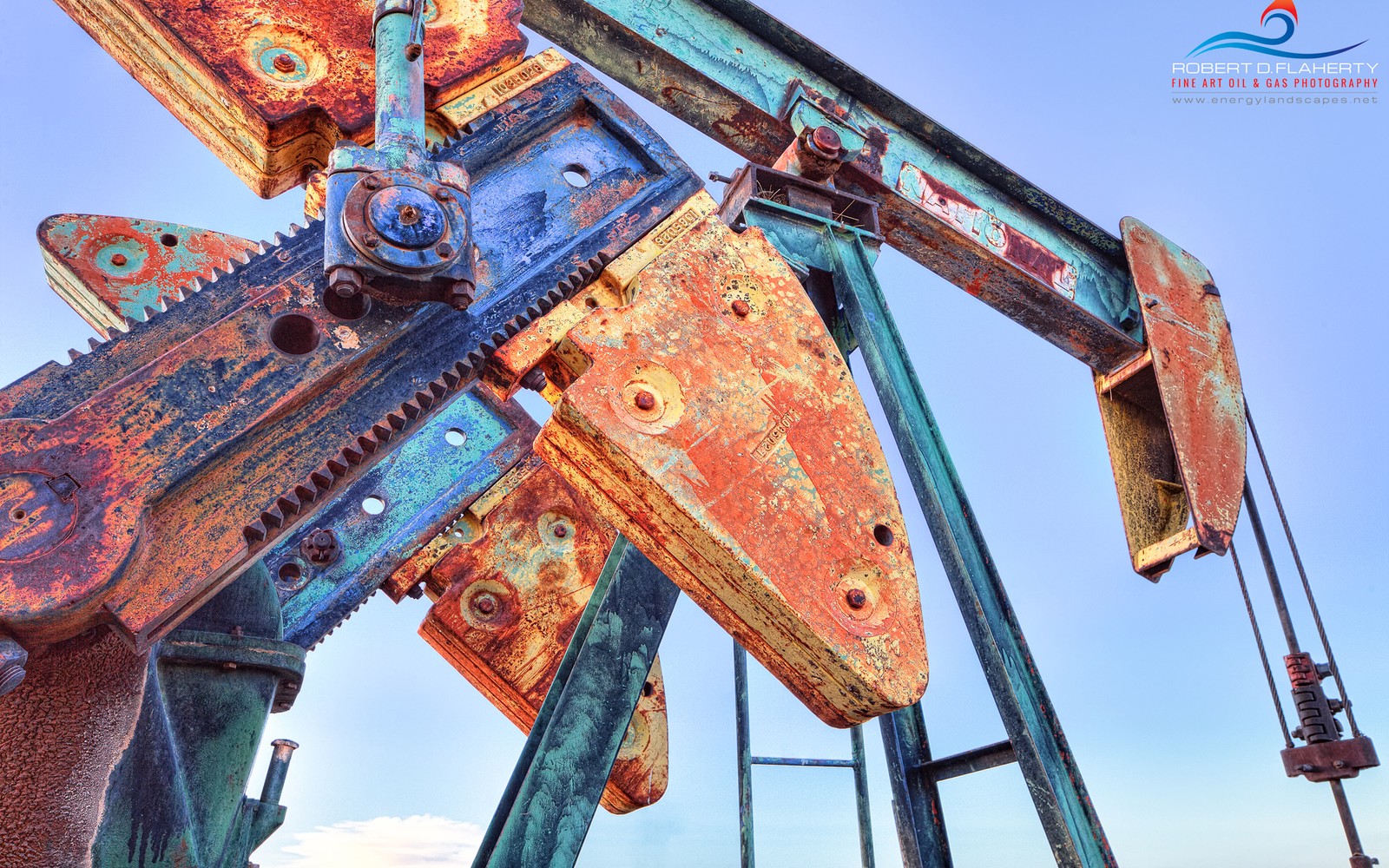
The Midland Basin has been producing since the 1920s, and today's horizontal wells sit on top of decades of legacy vertical production that still belongs in the file.
Across Midland, Martin, Howard, and Glasscock counties, the eastern half of the Permian Basin has one of the longest continuous production histories in Texas, and modern Wolfcamp and Spraberry horizontal development has been layered on top of vertical wells that in some cases date to the mid-twentieth century. A documentation file here often has to account for both eras, since older vertical production and newer horizontal production can be governed by different lease amendments, different pooling arrangements, and, occasionally, different working interest owners.
It is common for a Midland Basin tract to have one or more shallow vertical wells still producing at a low, steady rate alongside a much larger horizontal unit drilled more recently across the same acreage. These are frequently reported on separate division orders even when the same operator holds both, so a file should list them as distinct production sources rather than combine them into a single blended number.
Similar to the Delaware Basin to the west, Midland Basin operators target multiple Wolfcamp benches and Spraberry intervals from stacked horizontal wells within the same unit, sometimes drilled years apart. Recording each well's target zone and vintage, using Texas Railroad Commission data where a family's own statements are incomplete, keeps the forecasting basis clear for a formal valuation.
Some Midland Basin mineral interests trace back through assignments recorded in the 1930s through 1950s, a period when courthouse recordkeeping was less standardized than it is today. Where a link in that chain cannot be located at the county level, working with the family's retained abstracts, if any exist, is often the most efficient way to fill the gap before relying solely on more recent division orders.
The basin can frame formations, product windows, decline shapes, well designs, spacing, takeaway, basis, deductions, operator behavior, and development pace. The subject remains the specific property schedule, lease, unit, wells, owner decimal, burdens, and effective date.
Producing wells, behind-pipe intervals, permits, offsets, undeveloped benches, recompletions, and broad operator inventory in the basin carry different levels of support. Each layer receives its own source date, timing assumption, production shape, burden, price case, probability, and discount.
Resolve these questions so the appraisal conclusion can be traced to a defined interest, date, method, and evidence set.
This basin has produced continuously since the 1920s, so it is common for legacy shallow wells to still be active alongside much newer Wolfcamp or Spraberry horizontal development on the same acreage.
No, they are typically reported under separate division orders even under the same operator, so documenting them as distinct production sources is more accurate.
Some interests trace back to assignments from the 1930s through 1950s, a period with less standardized courthouse recordkeeping, which is why family-retained abstracts can be useful when county records have gaps.
Both target Wolfcamp intervals with modern horizontal drilling, but Midland Basin tracts more often carry additional decades of legacy vertical production layered underneath, which the Delaware Basin's generally younger development history does not have to the same degree.
Carry the same effective date, interest definition, evidence hierarchy, and limitations into these related appraisal procedures.
Williston Basin mineral interests often span multiple producing benches. See how multi-bench production records shape a documentation-based appraisal.