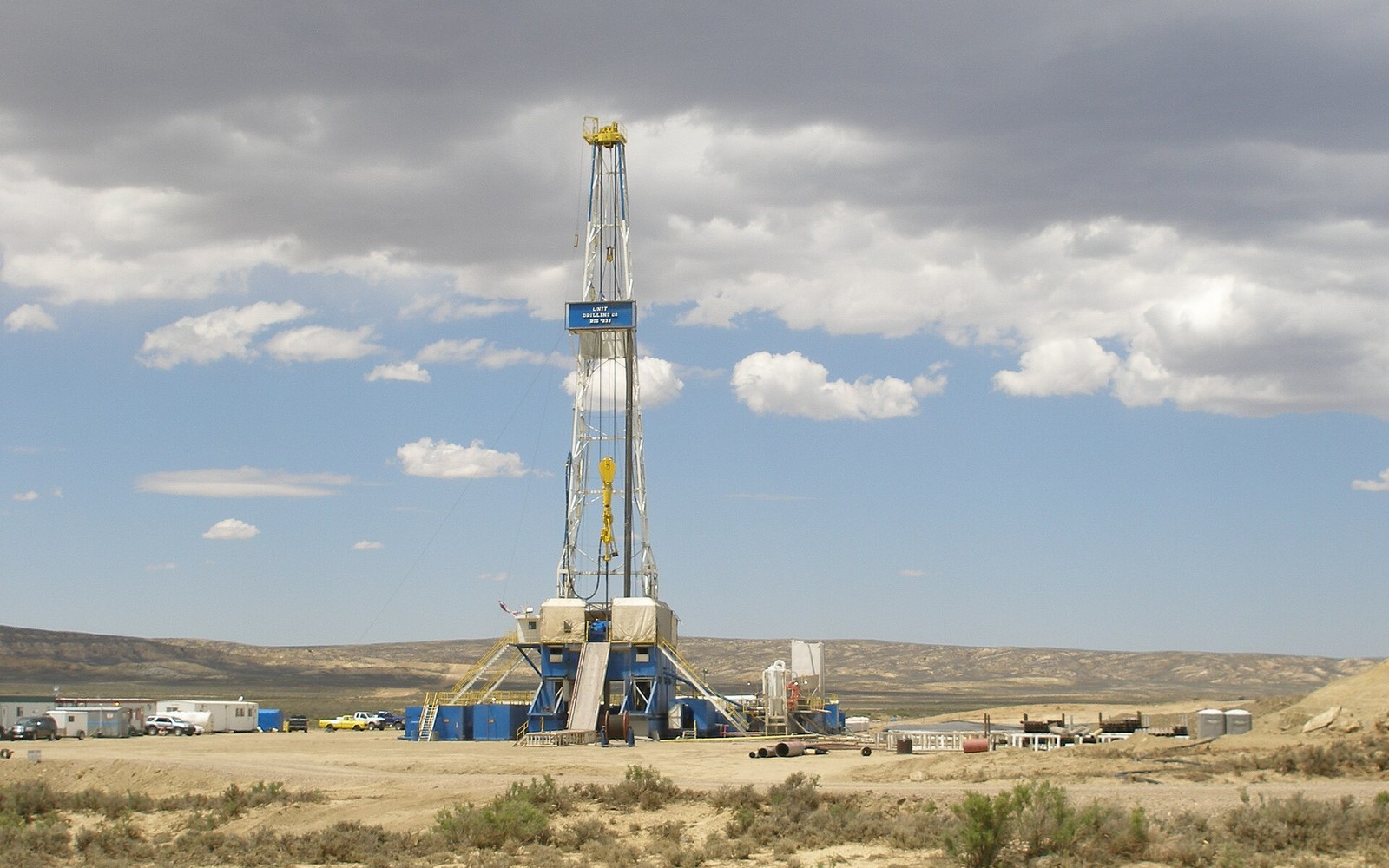
Some of the oldest continuously producing gas wells in the country sit in the San Juan Basin, and some of the most administratively layered ownership records sit right alongside them.
Spanning northwestern New Mexico and southwestern Colorado, the San Juan Basin has produced coalbed methane and conventional tight gas since the 1950s, making it one of the longest-running gas basins in the Lower 48. A meaningful share of the basin overlaps Navajo Nation and Southern Ute lands, including individually allotted trust parcels administered by the Bureau of Indian Affairs, which means a documentation file for interests in this area sometimes has to work with federal trust records in addition to, or instead of, standard county recordkeeping.
Where a mineral interest sits within an individually allotted trust parcel, ownership and royalty administration typically runs through the Bureau of Indian Affairs and the Office of Natural Resources Revenue rather than through a county clerk alone, and lease approval for trust land historically required federal sign-off. A documentation file involving allotted land should clearly identify the trust status and source records from the appropriate federal office rather than assume a standard fee-mineral process applies.
Because San Juan Basin development spans over seventy years, a single tract can carry conventional Dakota or Mesaverde gas production from as early as the 1950s and 1960s alongside coalbed methane production added during the 1990s boom in the Fruitland coal interval. These are frequently governed by separate leases or lease amendments negotiated decades apart, so the file should document each era's terms rather than assume one lease covers the tract's entire production history.
Long production histories in this basin mean assignment chains are often longer than in newer plays, sometimes passing through a dozen or more corporate transactions since the original 1950s or 1960s lease. New Mexico's Oil Conservation Division and Colorado's Energy and Carbon Management Commission both maintain well records that can help confirm current operator and production status when a family's own paperwork has gaps.
The basin can frame formations, product windows, decline shapes, well designs, spacing, takeaway, basis, deductions, operator behavior, and development pace. The subject remains the specific property schedule, lease, unit, wells, owner decimal, burdens, and effective date.
Producing wells, behind-pipe intervals, permits, offsets, undeveloped benches, recompletions, and broad operator inventory in the basin carry different levels of support. Each layer receives its own source date, timing assumption, production shape, burden, price case, probability, and discount.
Resolve these questions so the appraisal conclusion can be traced to a defined interest, date, method, and evidence set.
Allotted trust land is typically administered through the Bureau of Indian Affairs and the Office of Natural Resources Revenue rather than through county records alone, and historically required federal approval for leasing, so documentation should reflect that trust status specifically.
This basin has been developed for over seventy years, so it is common for a tract to carry conventional Dakota or Mesaverde production from decades ago alongside coalbed methane added during the 1990s Fruitland coal boom, often under separate leases.
Some interests trace back to leases from the 1950s or 1960s and have passed through many corporate transactions since, which is why confirming the current operator through state records helps when family paperwork is incomplete.
Yes, we recommend working with an attorney familiar with federal Indian trust land administration, since documentation and approval requirements differ from standard fee-mineral processes.
Carry the same effective date, interest definition, evidence hierarchy, and limitations into these related appraisal procedures.
Piceance Basin gas activity has slowed sharply since its 2000s peak. See how a documentation-based valuation handles federal land and low-activity records.